How to protect soil structure and moisture whether your paddocks are turning dry or sitting wet coming into summer.
Words by Dr Maria Elena Duter, Farmlands Head of Agronomy
No two regions, and often no two paddocks on the same farm, are dealing with the same soil problem this season. Some ground is already turning hard and dry underfoot. Other paddocks are still carrying moisture from a wet spring and sitting heavier than anyone would like. Both situations threaten the same thing: the soil structure and moisture-holding capacity that gets your next crop or pasture away cleanly. But they call for different decisions.
Whichever camp your paddocks fall into, the principle is the same: what you do to your soil now, while you’ve still got some choice in the matter, decides how easily and how cheaply you get seed away when the spring or autumn drilling window opens. Once soil sets hard and dry, or stays waterlogged too long, your options shrink fast.
Why soil condition is the resource to protect first
In a normal year, cultivation before sowing is routine. But when soils are drying out, every pass becomes a moisture-management decision: it exposes bare ground to evaporation and can leave a seedbed that dries and cracks before the crop or pasture is established. When soils are wet or waterlogged, the risk is the opposite. Cultivating, or even trafficking, ground that is too wet can smear and compact the soil profile, limit oxygen around the roots, and cause damage that may take a full season to recover from.
Both problems are avoidable with the right approach. For many growers the answer draws on the same family of tools – direct drilling and strip-till – applied with a different emphasis depending on which problem is in front of you.
Dry, moisture-short soils
Direct drilling sows straight into an undisturbed, sprayed-out paddock with minimal soil disturbance, and its advantages line up directly with dry-soil risk:
Moisture retention: An intact soil surface, with stubble or trash cover left in place, loses far less moisture to evaporation than a freshly cultivated seedbed. When every millimetre of stored soil water matters, that is not a marginal gain.
Structure protection: Cultivating soil that is already drying out produces cloddy, uneven seedbeds with poor seed-to-soil contact. These are exactly the conditions that lead to patchy, uneven strikes. Direct drilling sidesteps that problem because it doesn’t disturb the profile in the first place.
Erosion and wind protection: Retained surface cover is genuine insurance against wind erosion on ground that would otherwise sit bare and dry, particularly for exposed or lighter country.
Time and diesel: Fewer passes mean less fuel, less machinery time and more flexibility to hit a narrow drilling window when rain events are patchy and short-lived.
The trade-offs are worth planning around rather than discovering after the fact. Slug pressure tends to be higher under retained trash, so slug bait should be budgeted into the plan rather than treated as an afterthought.
Spray-out timing is critical: glyphosate needs actively growing plants with enough leaf area to translocate the chemical properly, so a paddock that is already stressed and dry won’t spray out cleanly.
Because direct drilling relies on the drill itself to achieve good seed placement without a prepared seedbed to help it along, disc or tyne condition and drill setup matter more than usual. Get the machinery serviced and calibrated before you need it, not when you need it.
Strip-till: a middle path for row crops on dry country
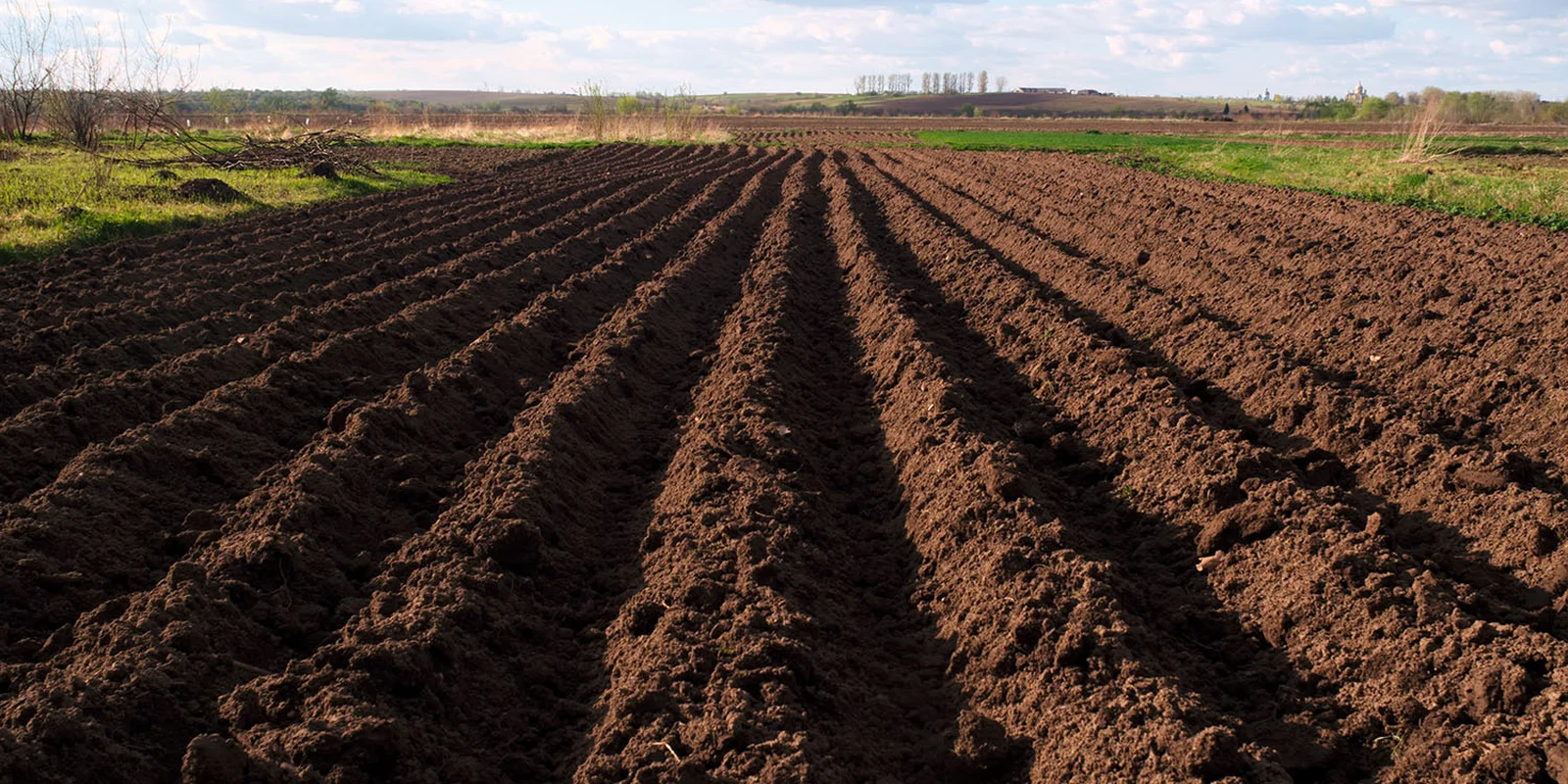
For growers sowing kale, fodder beet or other row crops, strip-till offers a useful hybrid on drying ground. Instead of cultivating the whole paddock, only a narrow strip where the seed row will sit is tilled, while the inter-row area keeps its residue cover and structure intact.
This delivers the moisture-conservation benefits of minimal tillage across most of the paddock, while still giving the seed row the warmer, looser soil that establishing crops benefit from. It also keeps the bulk of the paddock protected against wind erosion and moisture loss through the hottest months, which matters far more in a dry season than a normal one.
Wet and waterlogged soils
Where paddocks are still carrying too much moisture, the goal flips from conserving water to getting air, structure and trafficability back into the profile without doing lasting damage. A few methods earn their place here:
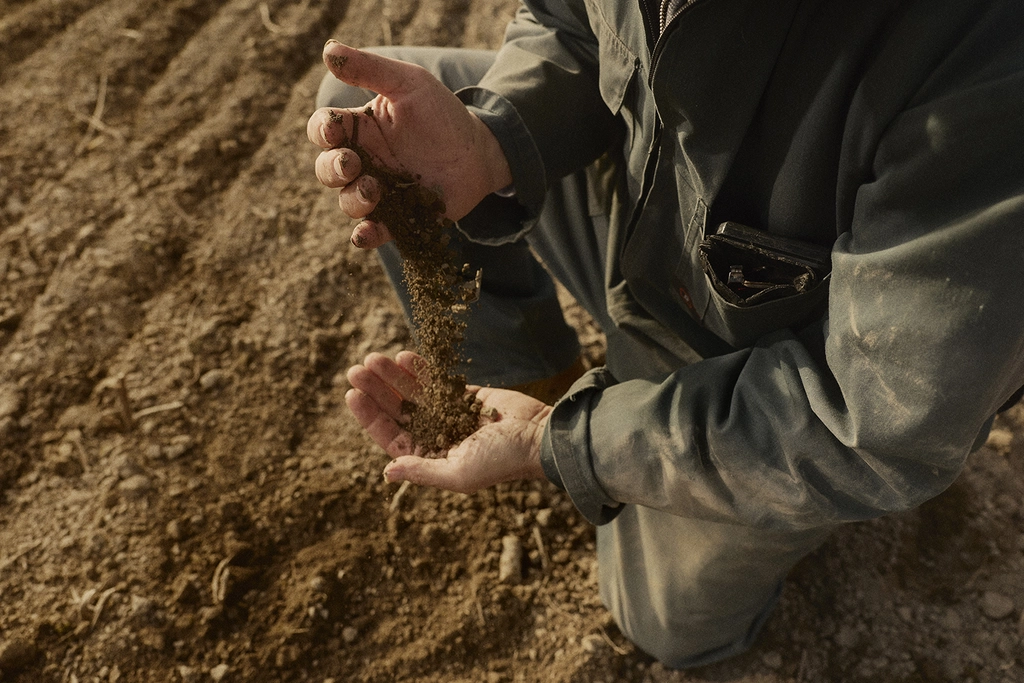
Wait for the ball test, not the calendar. Before any cultivation or heavy traffic, roll a handful of soil into a ball. If it smears rather than crumbles, it’s too wet to work. Cultivating or drilling before ground is trafficable is the single biggest cause of long-term structural damage on wet soils.
Mole and subsoil drainage. On paddocks with a history of waterlogging, mole ploughing or subsoiling should be done once the ground is workable, ideally before the next wet spell. This can be the difference between a paddock that dries in time for drilling and one that stays too wet. Plan this work for the drier window between wet periods, rather than waiting until the paddock is sodden again.
Controlled traffic and lighter passes. Confining vehicle movement to set wheel tracks, using flotation tyres, and minimising the number of passes all reduce the compaction footprint on ground that is slow to dry. Direct drilling or strip-till again help here, simply because they ask less of the paddock than full cultivation.
Raised beds or ridge cultivation for row crops. On poorly drained country growing fodder beet, kale or other row crops, forming raised beds or ridges lifts the seed row clear of standing water in the furrow and improves early root aeration, at the cost of an extra pass to form the bed.
Match cultivar and timing to the paddock. On paddocks with a genuine waterlogging history, favour later or more flexible sowing dates over forcing an early pass on ground that isn’t ready, and where options exist, species or cultivars with better tolerance to periodic waterlogging.
The trade-offs run the other way to those in the dry scenario. Waiting for ground to dry enough to work can compress your sowing window, so having drainage infrastructure checked and machinery ready to move the moment conditions allow matters as much as the method itself. Wet soils also carry a higher risk of damping-off and seedling disease in the first weeks after sowing, so seed treatments and paddock drainage deserve more attention than they would in a dry year.
Actions worth taking now, whichever camp you’re in
A short list of soil actions is worth doing regardless of which problem your paddocks are facing, while there’s still flexibility in the ground.
Deal with compaction while you can. Any pugging or wheel-track compaction from a wet spell needs addressing while there’s still moisture to work with on dry ground, or once ground has dried enough to work properly on wet ground. Left unaddressed, compacted soil makes both moisture stress and waterlogging worse.
Get soil tests done early. Soil tests give you time to build a nutrient and remediation plan around real numbers rather than guessing when the drilling window has narrowed. Where results show low pH or damaged structure, which is common after a hard, cracked summer or a wet, compacted spring, lime is worth factoring in early rather than as an afterthought. Alongside correcting pH, it helps flocculate clay particles and rebuild the crumb structure that dry or compacted soils lose. Lime takes time to react into the profile, so applying it ahead of cultivation or drilling gives it the best chance to work. For paddocks that have taken real damage, biological soil treatments are also worth discussing with your agronomist. Healthy soil biology speeds up the breakdown of trash and residue, improves nutrient cycling, and can shorten the time it takes a stressed paddock to rebuild structure and get back to full function. Soil and deep nitrogen tests give you time to build a nutrient plan around real numbers rather than guessing as the drilling window narrows. This also matters for compliance, both as a farm average and on every individual hectare, so nitrogen planning needs to sit within whatever headroom earlier applications have left.
Protect bare ground. Any paddock sitting bare between one crop coming off and the next going in is a paddock losing moisture and structure for no return, on dry country, or losing structure to rain impact and runoff, on wet country. A catch crop or short-term cover, even a cheap one, holds the ground together and protects soil biology through the summer months.
Time spray-out to the plant, not the calendar. A paddock sprayed out under moisture stress won’t take up herbicide properly and won’t die cleanly, leading to weed problems at drilling. If a paddock is showing stress, it may be worth holding off until after a rain event, even if that shifts the sowing date.
Bank nitrogen efficiency, not just nitrogen. Nitrogen applied to pasture that’s short of moisture, or sitting waterlogged and prone to denitrification losses, won’t get the response you’re paying for. Match applications to genuine growth potential and soil condition, not habit.
Grazing and pasture management through a dry summer
Soil strategy isn’t the only lever that determines how well pasture comes through a dry stretch. How paddocks are grazed during, and immediately after, a dry spell matters just as much, and a few rules are worth keeping close.
Don’t graze paddocks to bare ground. Most forage plants store the energy reserves they need for regrowth in the bottom 3-4 centimetres of stem and pseudo-stem. Even when pasture looks brown and unappealing, leaving that length ungrazed rather than stripping it back to one centimetre makes a real difference to how fast, and how well, the plant comes back once moisture returns.
Use sacrifice paddocks rather than spreading the damage. Where pasture is under real pressure, mobbing stock onto a small sacrifice area and feeding supplements protects covers across the rest of the farm. This shortens overall recovery time, compared with letting every paddock get grazed down evenly.
Don’t rush back onto paddocks once it rains. Drought-affected pasture generally needs around three weeks’ rest after rain before it’s grazed again, and ideally until tillers have reached at least 2.5 leaves. Grazing that first pick of green too early risks killing tillers and daughter tillers outright and will extend recovery time regardless.
Hold off on nitrogen once the rain arrives too. Soil nitrate levels tend to run high straight after a drought breaks. This raises the risk of nitrate poisoning in grazing stock on fresh regrowth, and nitrogen applied in that window is unlikely to get much of a response anyway. Waiting around three weeks after the first rain before applying nitrogen avoids both problems.
Sort paddocks and plan renewal accordingly. Once conditions ease, work through pastures with your Farmlands agronomist to identify which fall into each category of priority. Target renewal spend where it will actually pay off. Contemplate different species choices, whether to undersow or cultivate, and whether any paddocks suit a winter cereal instead. Another consideration is if a contractor is needed; book early to secure the plan.
If sowing into dry soil, treated seed can wait longer than you’d expect for rain. Trial work has shown treated ryegrass seed sown into dry ground in late summer can sit viable for up to around six weeks before rain arrives and still establish well, so a paddock drilled ahead of rain will often strike as soon as moisture does, rather than losing the two to three weeks it typically takes to get a paddock sown once everyone is waiting on the same rain event. This applies to properly treated seed drilled into firm, consolidated soil. I recommend checking with your seed supplier on how long your specific seed line and endophyte are backed to hold, since this varies. Weigh this against the cost of a failed establishment if rain is genuinely a long way off and talk to your agronomist about the call for your specific paddock and forecast.
Other agronomy issues landing this December
Soil and cultivation planning aside, there’s a full plate of seasonal issues worth keeping front of mind as summer sets in.
Grass grub larvae are doing their damage now. Adult grass grub beetles flew at dusk through October and November and have laid their eggs; those eggs are now hatching into root-feeding larvae that will keep feeding through summer and into autumn, with three- to four-year-old pasture stands typically hit hardest. Dig a few 20cm-square turf samples across affected-looking areas. Roughly 5 to 7 larvae per square is the threshold where pasture damage becomes significant, and paddocks over that mark are worth flagging for an autumn renovation plan now rather than waiting to see brown patches later in the season.
Porina caterpillars are actively feeding. Porina moths flew in spring, following a similar pattern to grass grub, and the caterpillars that hatched from their eggs are now feeding at night just below the surface. They shelter in vertical tunnels during the day and pull leaf material down into these tunnels to feed on it. To check for them, grab a tuft of pasture in suspect paddocks and pull firmly – grass that comes away easily, or visible tunnel entrances at the surface, both signal an active population. It's worth monitoring through summer, since the extent of autumn damage can often be estimated two to three months before it actually shows.
Keep an eye out for black beetle and clover root weevil too. African black beetle adults are active over summer in warmer northern and coastal regions, with larvae feeding on pasture roots much like grass grub; clover root weevil, now established through most of the country, feeds on clover roots and nodules and can quietly erode the clover component of a pasture over successive summers. Neither is usually as visually dramatic as grass grub or porina damage, but both are worth factoring into an overall pasture pest picture before deciding on any autumn renovation.
Weed control before seed set. Barley grass, nassella tussock and thistles are all moving toward or through seed head over summer in many regions. Controlling them now – before seed drops – is far cheaper than dealing with the same problem compounding next season, especially in pastures already under stress from dry or waterlogged conditions.
The bottom line
None of this is complicated agronomy. What matters is matching the method to the paddock in front of you, rather than running the same programme everywhere, regardless of whether the ground is turning to dust or still squelching underfoot.
The farmers who come out the other side of this season in the best shape won’t necessarily be the ones who did anything radically different. They will be the ones who read their soil correctly and acted on it a few weeks earlier than usual.
Talk to your Farmlands Agronomist or Technical Field Specialist about assessing your soil, updating soil tests and creating a cultivation plan tailored to your situation and region. The conversation is worth having now, whichever end of the moisture spectrum you’re dealing with.

 Words by Dr Maria Elena Duter, Farmlands Head of Agronomy